
Which method
Land Clearing Springfield MO: Forestry Mulching vs Land Clearing in Springfield
One leaves the roots and a carpet of mulch. The other leaves bare dirt ready to build on. The difference decides the price, the permit and what the ground looks like next year.
- Springfield and 10 nearby townsGreene and Christian County, all within 20 miles
- Licensed, insured local contractorsWe work with them; ask for proof before work starts
- Written price firstPer-acre ranges published on every service page
- Calls answeredMonday to Saturday, 7am to 6pm
Land Clearing Springfield MO publishes this comparison for property owners around Springfield deciding between forestry mulching and traditional land clearing. The two are often sold as if they were the same service. They are not: mulching grinds vegetation in place and leaves the roots and topsoil, while full clearing removes trees, stumps and roots so the ground can be graded and built on. Most jobs need one, some need both in different places, and choosing right is the biggest single lever on the price.
What forestry mulching does
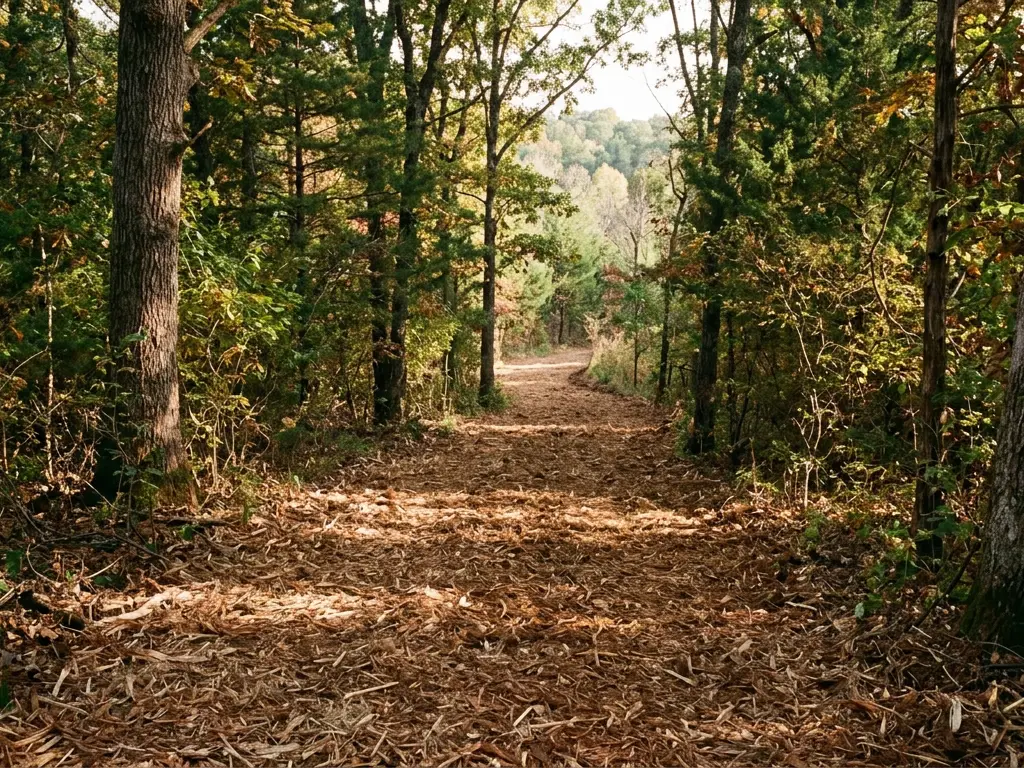
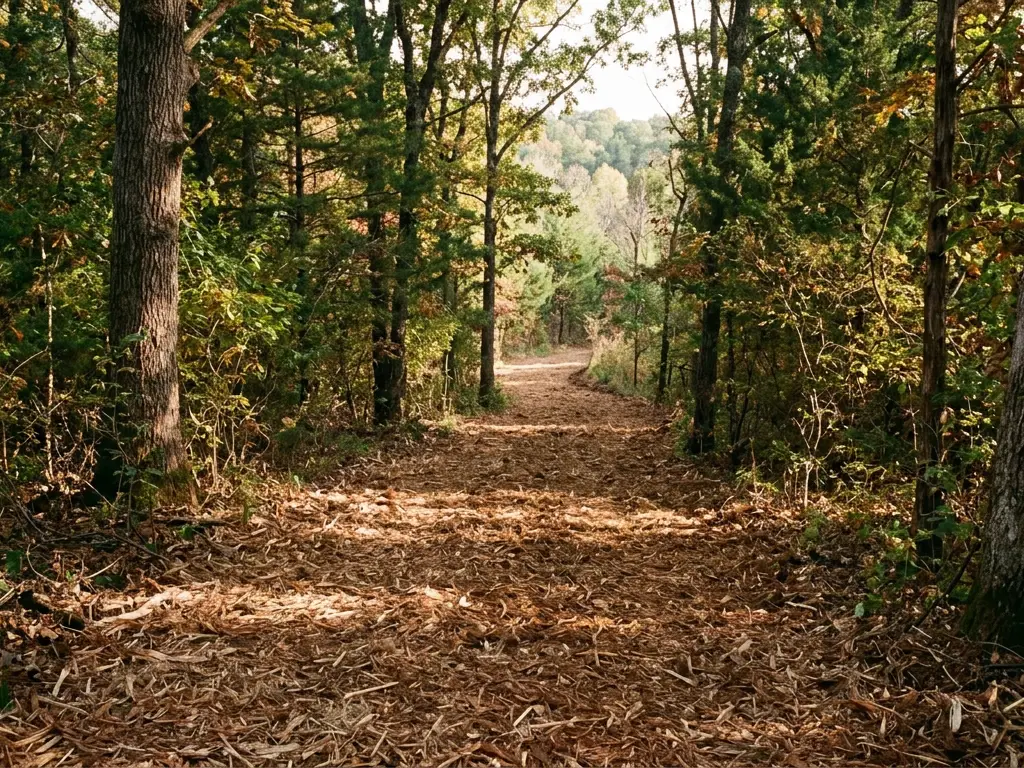
A forestry mulcher is one machine, usually a tracked skid steer or tractor with a toothed drum or disc head. It cuts and grinds standing brush and trees and spreads the result as a mulch layer, in one pass. Nothing is piled, hauled or burned. The roots stay in the ground, the topsoil stays where it was, and the mulch holds the soil while grass or groundcover comes back.
It suits pasture, fence rows, woods being opened up, trails, hunting land and any ground that will be used rather than built on. A drum head grinds stumps roughly to ground level; it does not pull them out.
What full land clearing does
Traditional clearing uses dozers and excavators to push or cut trees, grub out stumps and root balls, rake roots and rock from the soil, and leave bare ground. The debris is piled, then burned where allowed, buried or hauled. It removes everything above and below ground and disturbs the soil significantly, which is the point when a slab, a footing, a driveway or a pond is going in.
Tell us the acreage and what is growing on it, and hear a typical price range before anyone drives out.
Call (417) 759-5914Drum head or disc head
Not all mulching leaves the same finish. A drum mulcher spins a horizontal drum fitted with teeth and makes a fine mulch; it can grind a stump down to the ground. A disc mulcher spins a heavy flat disc and is faster through standing trees, but the mulch is coarser and the stumps stay visible (HomeGuide). For pasture or a yard you will mow, ask for a drum head or a second pass to bring the stumps down. For hunting land and woods, a disc finish is usually fine and cheaper.
Selective work costs more per acre, and saves elsewhere
Clearing everything is the fastest machine work. Working around trees you want to keep is slower, so selective clearing costs more per acre. It usually saves money overall, because large trees left standing are trees nobody has to cut, move or haul, and a property with mature oaks left in it looks finished the day the machine leaves. Mark the keepers with ribbon before the quote, so the price reflects them.
Cost side by side
Forestry mulching averages $400 to $800 an acre and up to $2,000 on dense ground (HomeGuide, September 2023). Land clearing averages $1,200 to $8,000 an acre depending on density and tree size (HomeGuide, November 2025), before debris handling. Grubbing equipment runs $1,200 to $2,500 a day, and grading a small home site $2,000 to $5,000 more. Mulching also avoids hauling, which runs $150 to $200 a pickup-truck load of brush.
Not sure whether you need mulching, grubbing or a full clear? Most people are not. Call and describe the ground.
Call (417) 759-5914The permit difference
Greene County and Christian County both require a permit for non-agricultural land disturbance, defined as disturbing the root zone, with the example that clearing trees with a dozer needs one and clearing with a chainsaw does not. Full clearing disturbs the root zone by design. Mulching that leaves roots in place usually does not, which is one reason it is the default on land that will not be built on. Confirm with the county for your property, particularly near sinkholes or mapped floodplain.
What the ground looks like a year later
Mulched ground looks like a park in the first season: chips over soil, stumps ground low, grass and wildflowers coming through. Hardwoods and honeysuckle resprout from the roots and need mowing or treatment; cedar does not. Fully cleared ground is bare until it is seeded or built on, and bare silt loam on a slope erodes in the first heavy rain unless it is covered quickly.
When you need both
A typical rural home site uses both: home site clearing with grubbing on the pad, drive and septic area, and mulching on everything else so the rest of the property stays covered and usable. Around Rogersville and Willard, where small acreage is being bought for houses, that split is the most common job. Ask for the two priced separately in the quote, so you can see what each area costs.
Choosing
- Nothing will be built, and you want grass, open woods or a trail: mulch
- A house, shop, drive, pond or septic field is going in: clear and grub that area, mulch the rest
- Ground is steep, rocky or near water: mulch, to keep it covered
- The field will be tilled rather than grazed: clear and root rake
- Budget is tight: mulch first, and grub later only where needed
Questions people ask
What is the difference between forestry mulching and land clearing?
Mulching grinds vegetation in place and leaves roots and topsoil. Land clearing removes trees, stumps and roots so the ground can be graded and built on.
Is forestry mulching cheaper than land clearing?
Usually. Mulching averages $400 to $800 an acre against $1,200 to $8,000 for land clearing (HomeGuide), and it avoids hauling and burning debris.
Can I build on forestry-mulched ground?
Not directly. Roots left in the ground rot and settle, so the footprint of anything built has to be grubbed and graded.
Does forestry mulching need a permit?
The county permits are triggered by disturbing the root zone. Mulching that leaves roots usually does not, but confirm with Greene or Christian County for your property.
Will brush grow back after mulching?
Hardwoods and honeysuckle resprout from roots and need follow-up mowing or treatment. Cedar does not resprout from a cut stump.
What is the difference between a drum and a disc mulcher?
A drum mulcher makes a fine mulch and can grind stumps to the ground. A disc mulcher is faster through standing trees but leaves coarser mulch and visible stumps.
Tell us what is growing and how much of it
Say roughly how many acres, what has taken over (cedar, honeysuckle, brush, saplings, a grown-in fence row) and what you want the ground to become. You will hear which method usually fits and what it tends to cost per acre before anyone drives out.
Call (417) 759-5914