Land Clearing Pros of Springfield MO: How Long It Takes to Clear Land Around Springfield
Land Clearing Pros of Springfield MO answers the timing question the way the published guides do: a small lot usually takes 1 to 3 days of machine work, and a heavily forested tract of several acres can take several weeks. The machine days are only part of the calendar. Around Springfield, wet fragipan soils, permit reviews and the conditions on a burn permit decide when that work can start and how often it stops.
The short answer by job size
| Job | Typical machine time | Basis |
|---|---|---|
| Small residential lot | 1 to 3 days | HomeGuide, land clearing cost guide |
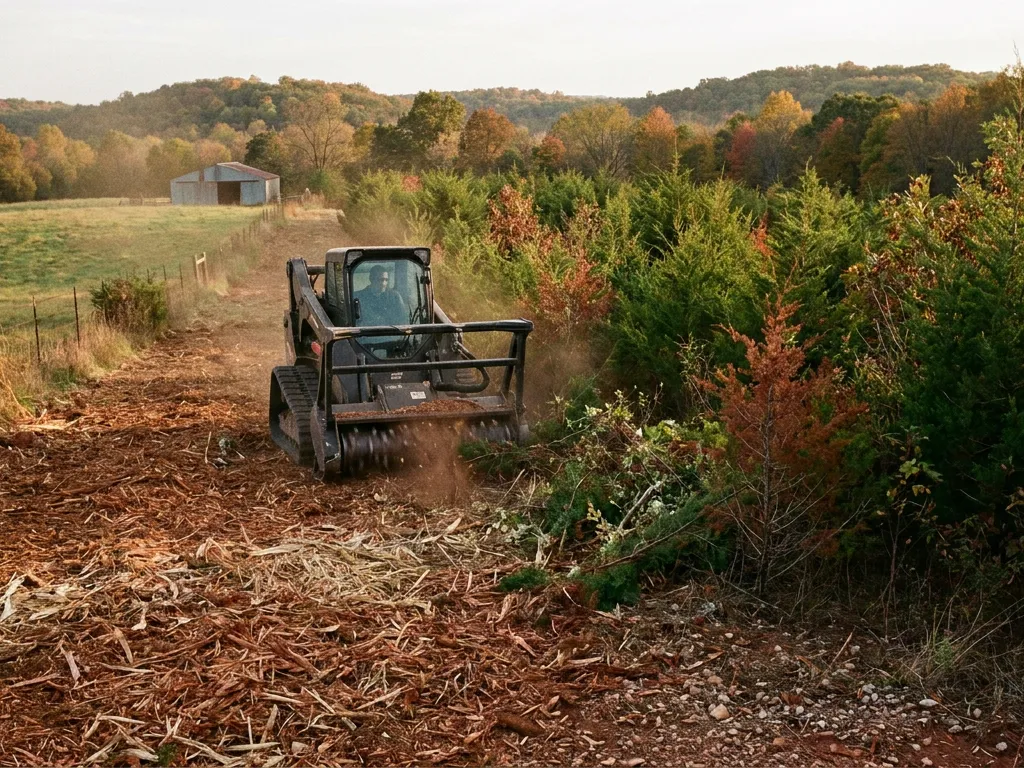
| Forestry mulching with a skid steer | 1 to 3 acres a day | HomeGuide, forestry mulching guide |
| Forestry mulching with a large mulching tractor, open ground | Up to 15 acres a day | HomeGuide, forestry mulching guide |
| Heavily forested tract of several acres | Several weeks | HomeGuide, land clearing cost guide |
Those rates turn into a rough estimate with simple division. Ten acres of mixed brush at 1 to 3 acres a day is roughly 4 to 10 machine days of mulching, before travel, weather or a second pass. The same ten acres cleared to bare ground for building takes longer, because the machine work has more steps. Ask for the number of machine days in the written quote, and how extra days are charged if the job runs over.
Planning a clearing job around a build date or a seeding window? Describe the acreage and the growth, and ask for the machine days in writing.
Call (417) 759-5914Why full clearing takes longer than mulching
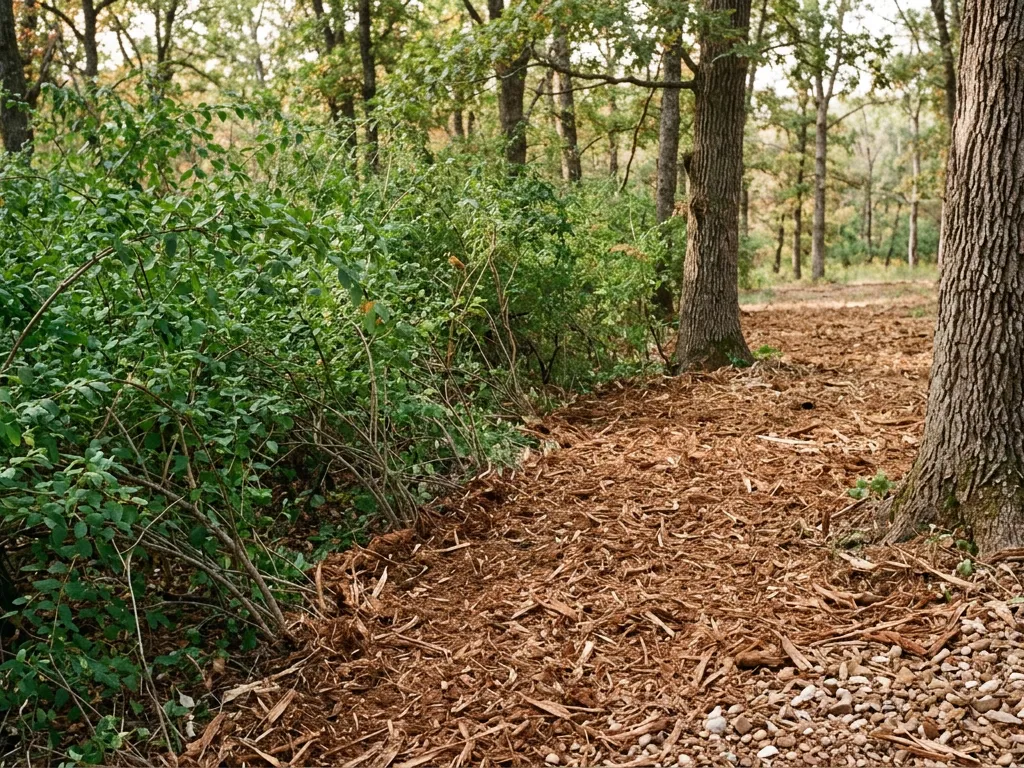
Forestry mulching is one machine making one pass. It cuts, grinds and spreads the growth as mulch, and nothing is piled, hauled or burned. That is why it covers acres a day.
Full clearing is a sequence, and each step adds time:
- Trees are cut or pushed over and brush is cleared.
- Stumps and root balls are grubbed out, and roots and rock are raked from the soil. See grubbing and root raking.
- Debris is piled, then burned where allowed, chipped or hauled away.
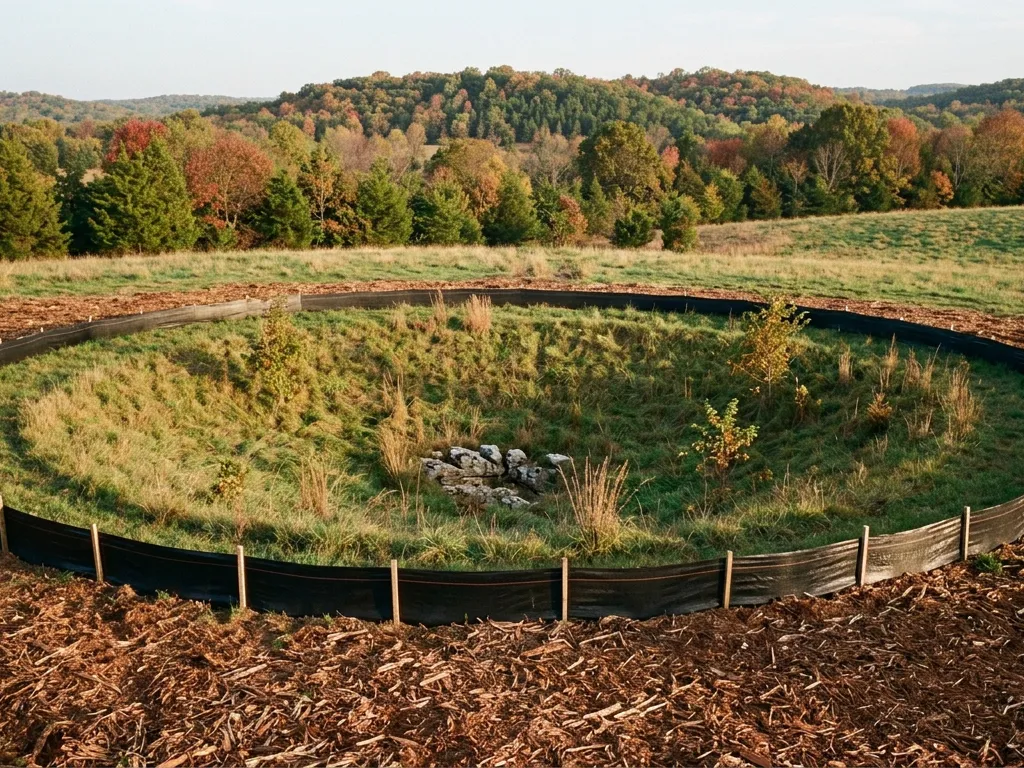
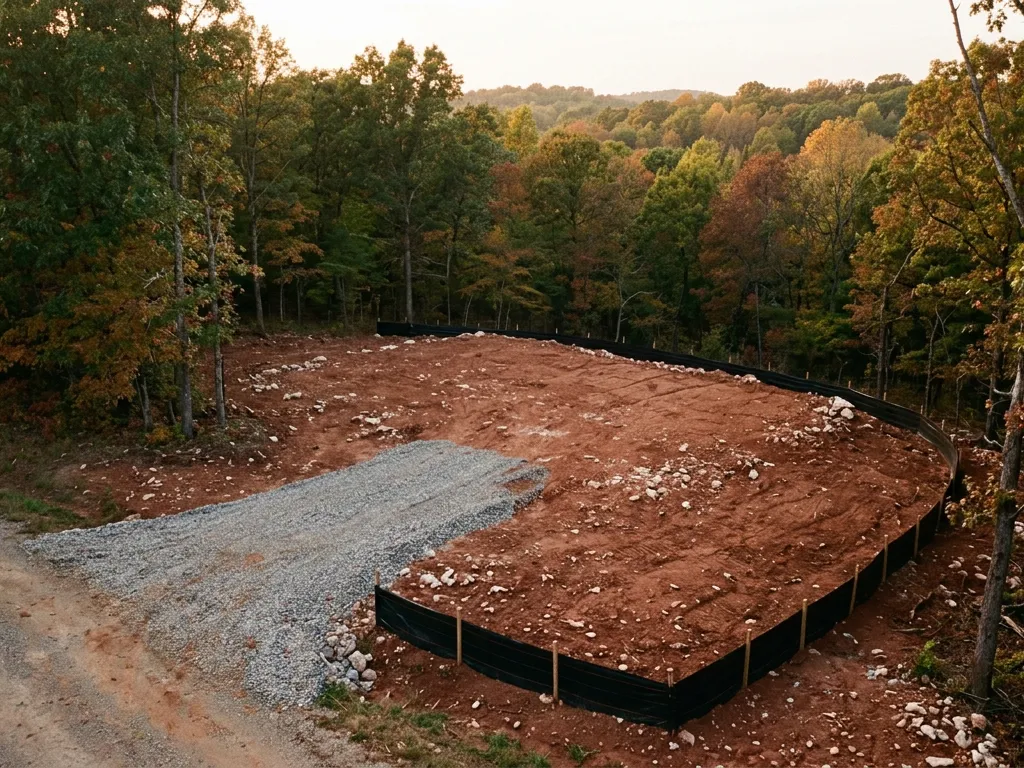
- The ground is graded, and silt fence and seed go down where soil is bare.
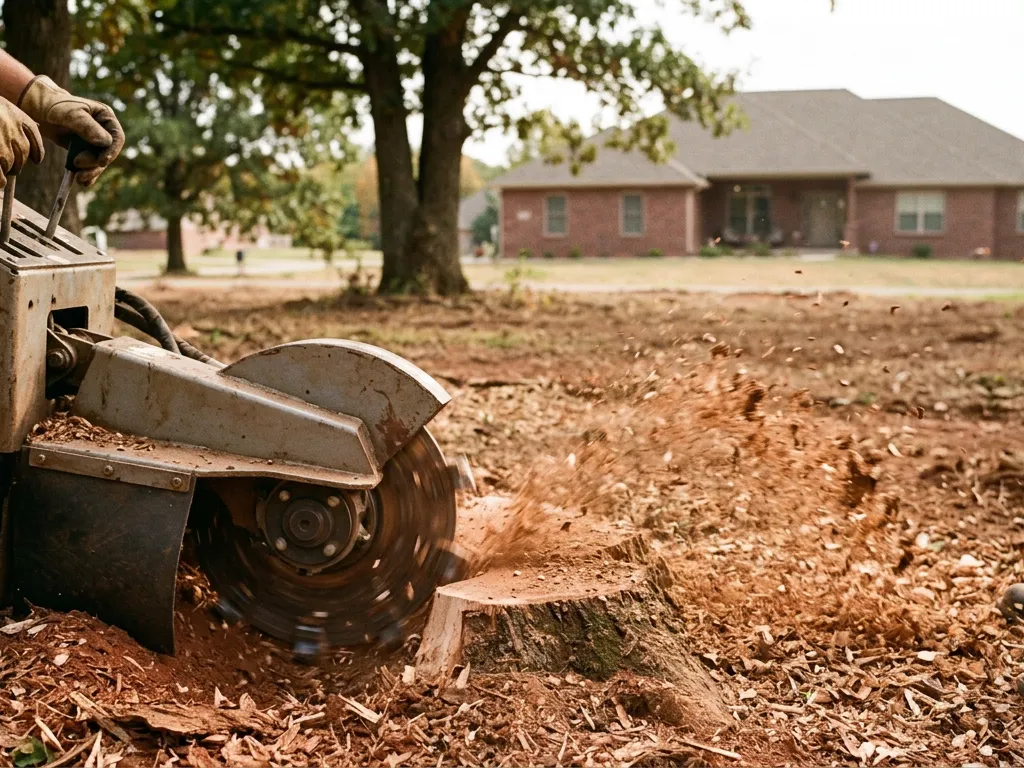
Working around trees you want to keep is slower than clearing everything, so selective work adds machine time even as it saves trees. Rock slows things too: chert and limestone wear teeth and can stop a grinder short of full depth. A rural home site often splits the work, grubbing the pad, drive and septic area while mulching the rest, which keeps the slow steps on the smallest area.
Wet ground is the delay nobody can schedule
Several towns around Springfield sit on fragipan soils, which have a dense layer that water moves through very slowly. USDA's Needleye series, mapped at Battlefield and Strafford, puts the fragipan at 18 to 36 inches and calls the soil somewhat poorly drained; similar fragipan soils are mapped around Nixa, Republic and Clever. From late winter into spring those soils are soft, heavy machines rut them, and grubbed pads hold water. Mulching on tracks can often keep going; grubbing and grading are best left for drier weeks.
Better-drained ground firms up sooner. The Wanda soil mapped at Willard and central Springfield reports no restriction, and the gravelly Goss soil around Ozark and Sparta is well drained. Agree in the quote what happens if the ground is too wet on the planned day, and whether mulching can go ahead while grubbing waits.
Permits add time before the machine arrives
Permit reviews happen before the first tree comes down, so they belong at the front of the plan:
- Greene County requires a grading permit for any non-agricultural land disturbance, defined as disturbing the root zone of existing vegetation. Its example: clearing trees with a dozer needs a permit, clearing with a chainsaw does not. Sites over 1 acre also need a copy of the state land disturbance permit, and work in a Special Flood Hazard Area needs a floodplain development permit.
- Christian County uses the same root-zone definition for its Soil Erosion Control Permit.
- Inside Springfield, the city requires a land disturbance permit for sites disturbing 1 acre or more, or less when part of a larger plan that will. The city takes the permit fee after the stormwater pollution prevention plan is approved, so a plan has to be prepared and reviewed first.
None of those pages states a review time, so ask the office when you apply. Normal farming activity is generally outside the county permits; confirm with the county if the ground is being reshaped. The land disturbance permit guide walks through each one.
Burn days depend on the wind
If the debris will be burned inside Springfield, the city's open burning permit application (Rev. 7/2020) sets conditions that control the pace. The fire department must be called for approval each day before burning begins, winds must stay under 15 mph for the entire day, and the fire must be put out at the end of each burn day. Permits are approved for 3 months at first and can be extended up to 1 year for the same site. Occupants of buildings within 200 yards sign an acknowledgement, and commercial clearing within 200 yards of an occupied structure, or a structure the burner does not own, must use an air curtain incinerator.
A windy stretch can leave piles waiting for days. Mulching or hauling avoids the wait; debris removal is priced by the load. The open burning rules page has the rest.
Big trees and the bat season
On projects with federal funding or a federal permit, the U.S. Fish and Wildlife Service's Missouri review key treats tree removal in suitable roosting habitat for Indiana and northern long-eared bats from April 1 through October 15 as a possible effect that needs further review. That can move the big-tree cutting on a funded project into winter. The tree clearing and bats guide explains who that applies to.
Contractor calendars
The best season for the ground is also the busiest for the people with the machines. Fall fills up early, because pasture owners want to seed and builders want pads ready before winter. Asking in mid-summer for a fall slot gives a better choice of dates than asking in October. Winter work is often easier to schedule.
How to keep a clearing job on schedule
- Mark the trees you want kept with ribbon before anyone quotes, so the price and the time reflect them.
- Apply for any permit before booking machine days.
- Decide the debris plan up front: mulch, burn or haul.
- Get the machine days, the wet-day plan and the extra-day rate in writing.
- List every stump for stump grinding so they are done in one visit.
- For large tracts, see acreage clearing for how the work is usually split.
Questions about a piece of ground near Springfield? Call (417) 759-5914
Sources
- Greene County Resource Management, Environmental Division
- City of Springfield, Land Disturbance Permit
- City of Springfield, Application for Open Burning Permit (Rev. 7/2020)
- USDA NRCS, Official Soil Series Description: Needleye series
- U.S. Fish and Wildlife Service, Missouri Determination Key Standing Analysis (Version 2.0, August 2025)
Frequently Asked Questions
How Long It Takes to Clear Land Around Springfield: Questions
How long does it take to clear an acre of land?
Mulching an acre of brush with a skid steer takes part of a day to a full day, at 1 to 3 acres a day. Clearing an acre to bare ground with grubbing and debris handling takes longer.
How long does it take to clear a small lot?
HomeGuide puts a small lot at 1 to 3 days of machine work. Permits, weather and debris handling can stretch the calendar.
What delays land clearing around Springfield?
Wet fragipan soils in late winter and spring, permit reviews, windy days under a burn permit, and contractor calendars in the fall.
Can land be cleared in winter?
Yes. Mulching woods and fence rows on firm or frozen ground works well, and winter is often easier to schedule.
Do I need a permit before clearing starts?
Greene and Christian counties require one for non-agricultural work that disturbs the root zone, and Springfield requires one for disturbing 1 acre or more. Apply before booking machine days.