Land Clearing Pros of Springfield MO: What to Do With Brush Piles in Springfield
Land Clearing Pros of Springfield MO put this guide together for property owners around Springfield staring at a pile of cut brush and wondering what to do with it. There are five real answers: haul it, chip it, mulch it in place, burn it, or leave it as wildlife cover. Inside city limits the burn rules narrow the list quickly, and outside them the distance to the nearest occupied house does most of the deciding.
Five ways to deal with a brush pile
| Option | Typical published cost | Best fit |
|---|---|---|
| Haul it away | $150 to $200 per load, plus dump fees | City lots, yards, building sites |
| Dump or disposal fee | $30 to $100 per ton | Added to hauling when the load goes to a landfill or yard waste site |
| Chip it on site | $100 to $150 per hour | Where chips are useful as mulch or trail surface |
| Mulch it in place | Part of a mulching job at $400 to $800 per acre | Pasture and woods with a forestry mulcher already on site |
| Burn it | Permit inside Springfield | Rural ground far from neighbors, or a city site that meets the permit |
| Leave it for wildlife | Nothing | Woods edges and field corners, away from the house |
Brush pile removal from a national guide also comes with a minimum charge of $250 to $600 minimum, so a single small pile can cost close to that floor. A full-size pickup load holds 2 to 4 cubic yards of brush, and logs and stumps are heavier and cost more to move than brush.
Brush pile removal cost
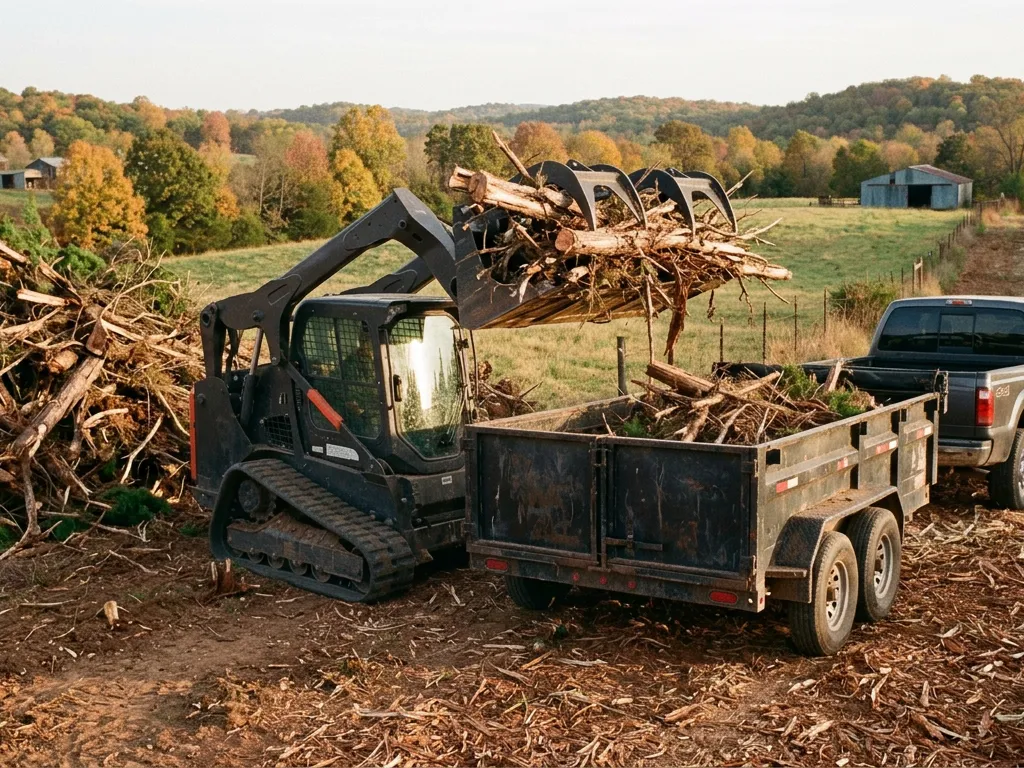
Hauling is the simplest answer and the most expensive per pile. At $150 to $200 per load, a large pile can take several loads, and dump fees of $30 to $100 per ton come on top when the brush goes to a landfill. Labor to cut and load runs $50 to $80 per hour where the brush has to be handled by hand.
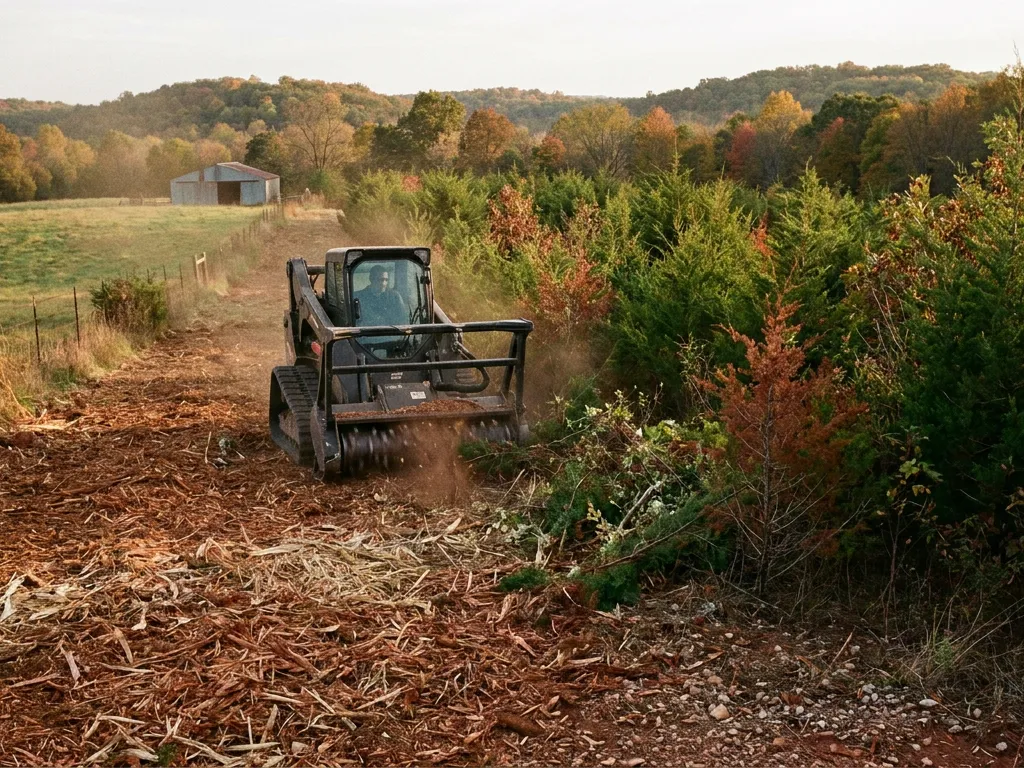
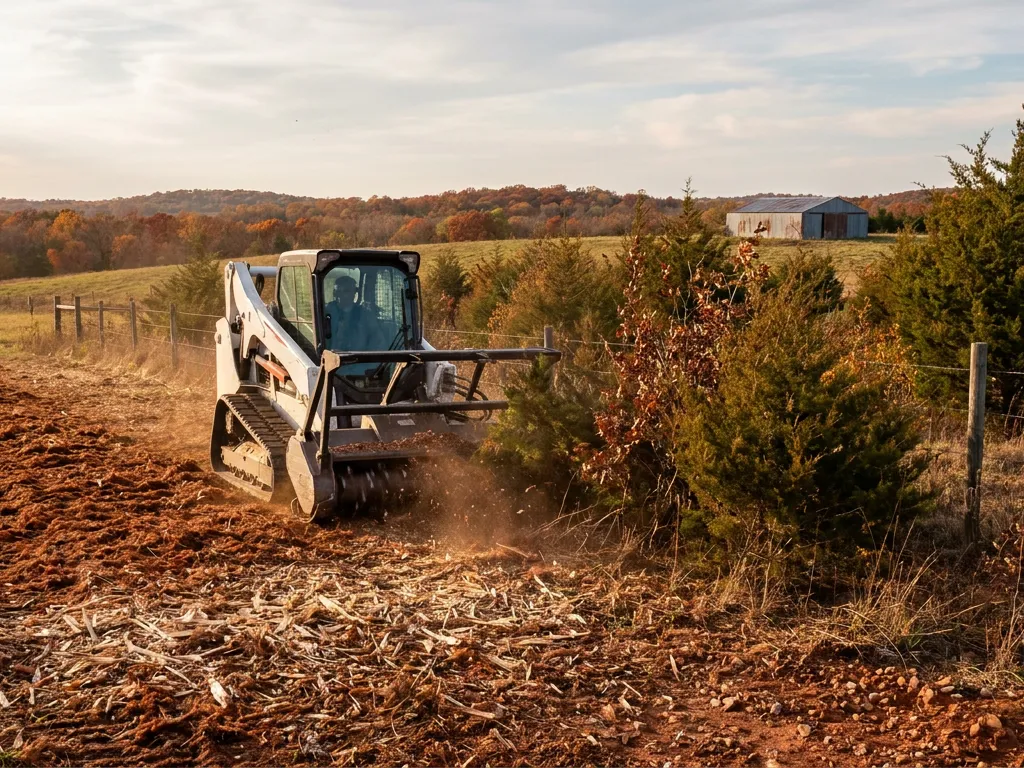
Chipping is billed by the hour at $100 to $150 per hour, and the chips stay on site for beds, paths or a trail, so there is nothing to haul and no dump fee. Mulching in place costs least when a forestry mulcher is already working the property. Bringing one in for a single pile means paying mobilization of $150 to $300 per visit and a typical minimum of $400 to $600 minimum.
Whatever the method, ask for the debris plan in writing before work starts: whether brush is hauled, chipped, mulched or burned, and whether dump fees are included. Land clearing debris removal covers the hauling side in more detail, and stumps left in the pile are a separate line from stump grinding.
Have a pile to move? Describe its size and what is in it, logs, stumps or brush, and ask for a written price that says where the debris goes.
Call (417) 759-5914Burning a brush pile inside Springfield
Inside city limits, burning needs the city's open burning permit, and the city's permits page says the fee is paid through its E-City portal after the application is approved. The application (Rev. 7/2020) sets the conditions:
- Only vegetative waste from the site may be burned; leaves, refuse and trade waste may not.
- Burning runs between sunrise and sunset, with winds under 15 mph for the entire day.
- The fire department is called for approval before burning each day.
- Permits are first approved for three months and can be extended up to a year for the same site.
- If the pile is within 200 yards of a structure owned by someone else, those owners sign an acknowledgment.
For commercial land clearing, the rule is stricter. Burning inside city limits within 200 yards of an occupied structure, or of a structure not owned by the party doing the burning, must use an air curtain incinerator, and the city may require one further out if health and safety issues are noted. The Springfield burn permit rules page walks through the application.
Burning outside city limits
Outside any city's limits, the Missouri Department of Natural Resources' open burning fact sheet (PUB2047) allows tree trunks, limbs and vegetation from land clearing to be burned without an air curtain incinerator when the burn is more than 200 yards from the nearest occupied structure. The same sheet allows yard waste to be burned on the premises where it grew. Tires and used oil may not be used to start the fire or be burned in it.
State rules are the floor, not the whole picture. Fire protection districts may add permits and burn bans, so check with the district for your address, whether that is around Republic, Willard or south of Nixa, before lighting anything. A dry, windy week is a poor time to burn whatever the rules say.
Brush piles for wildlife
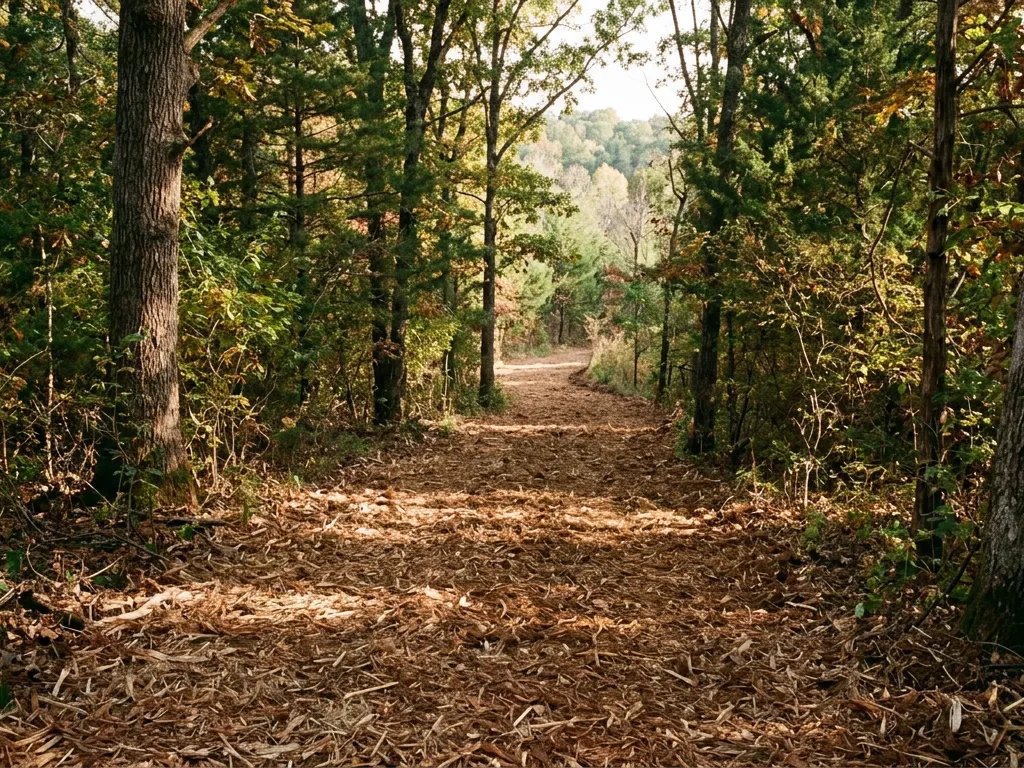
A pile you leave can do useful work. The Missouri Department of Conservation's Xplor magazine says brush piles quickly become homes for small animals, that red foxes dig nursery dens under them, and that seed-eating sparrows feed on the weeds that grow in them. Its method is to stack the thickest branches at the bottom, pile smaller branches on top, and keep going until the pile is about head high and 20 feet wide.
MDC's escape cover guidance adds a warning: certain brush piles are not good for habitat. For downed trees and edge feathering, it says not to push trees into dense piles, and to leave trees where they fall or windrow them along a fence or woody draw. It says rabbits, quail and many songbirds use that kind of cover right away. A dozer-pushed heap of trunks and dirt is not the same thing as a built brush pile.
Put a wildlife pile at a woods edge or field corner, not against the house, the shed or the fence you have to maintain.
Never push brush into a sinkhole
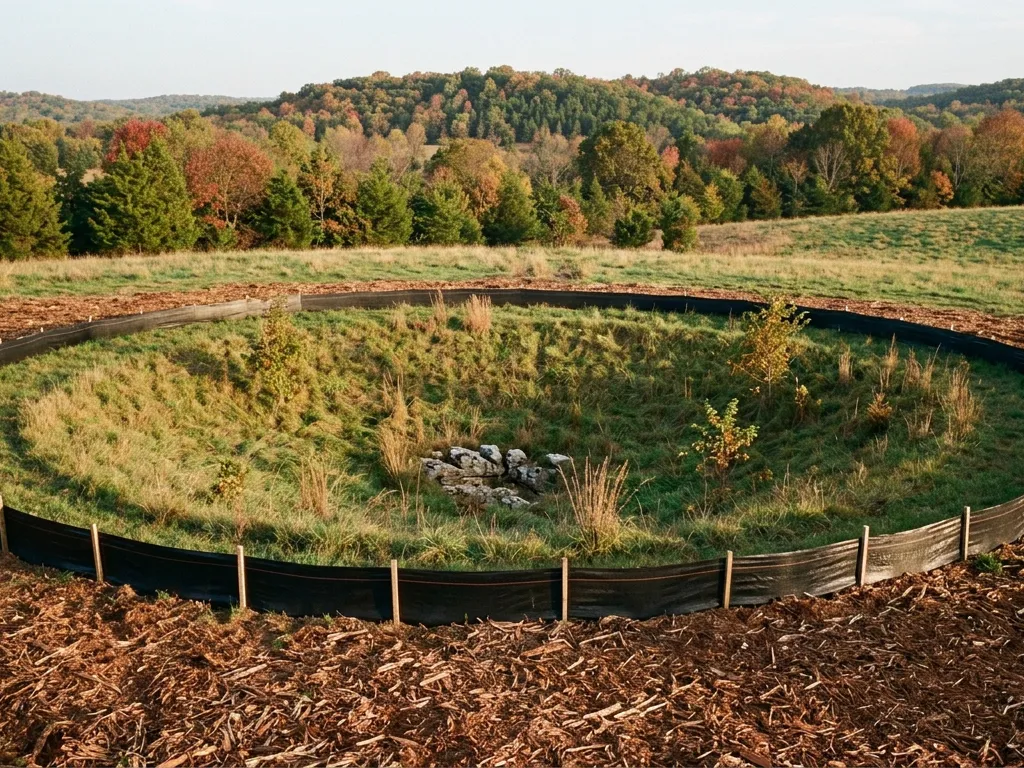
Around Springfield, the low spot that looks like a handy place for brush is often a sinkhole. Greene County's design standards say filling or altering a sinkhole without a grading permit is a zoning violation, and they bar heavy construction equipment from virgin sinkholes. The Greene County sinkholes page explains how to spot one and the buffer that goes with it.
Picking the answer for your pile
- Small pile, city lot, no room: haul it.
- Big pile of limbs and brush, chips welcome: chip it.
- Rural ground more than 200 yards from any occupied house: burn it under state and fire district rules.
- Inside Springfield and close to neighbors: haul or chip, or meet the full permit conditions.
- Woods edge with room to spare: build it into a wildlife pile and leave it.
Questions about a piece of ground near Springfield? Call (417) 759-5914
Sources
- City of Springfield, Application for Open Burning Permit (Rev. 7/2020)
- City of Springfield, City Air Permits
- Missouri Department of Natural Resources, Facts on Open Burning Under Missouri Regulations (PUB2047)
- Missouri Department of Conservation, Xplor: Into the Wild
- Missouri Department of Conservation, Creating Escape Cover
- Greene County Design Standards, Section 107: Sinkholes and Karst Features
Frequently Asked Questions
What to Do With Brush Piles in Springfield: Questions
How much does brush pile removal cost?
National guides put brush hauling at $150 to $200 per load for a pickup load of 2 to 4 cubic yards, plus dump fees of $30 to $100 per ton. Chipping on site runs $100 to $150 per hour.
Can I burn a brush pile in Springfield?
Only with the city's open burning permit, and only vegetative waste from the site. Commercial land clearing within 200 yards of an occupied structure, or a structure the burner does not own, needs an air curtain incinerator.
How far from a house can I burn brush outside the city?
Missouri DNR allows land clearing burns without an air curtain incinerator outside city limits when the fire is more than 200 yards from the nearest occupied structure. Check your fire district too.
Are brush piles good for wildlife?
Built well, yes. MDC's Xplor magazine says foxes den under them and sparrows feed in them, and suggests stacking thick branches at the bottom to about head high and 20 feet wide.
Can I put brush in a sinkhole?
No. Greene County's design standards treat filling or altering a sinkhole without a grading permit as a zoning violation.